Asia's Integrated Resorts Implement AI-Driven Protections as Regional Expansion Accelerates
Harper Brooks · Aug 27, 2026

Asia's Integrated Resorts Implement AI-Driven Protections as Regional Expansion Accelerates
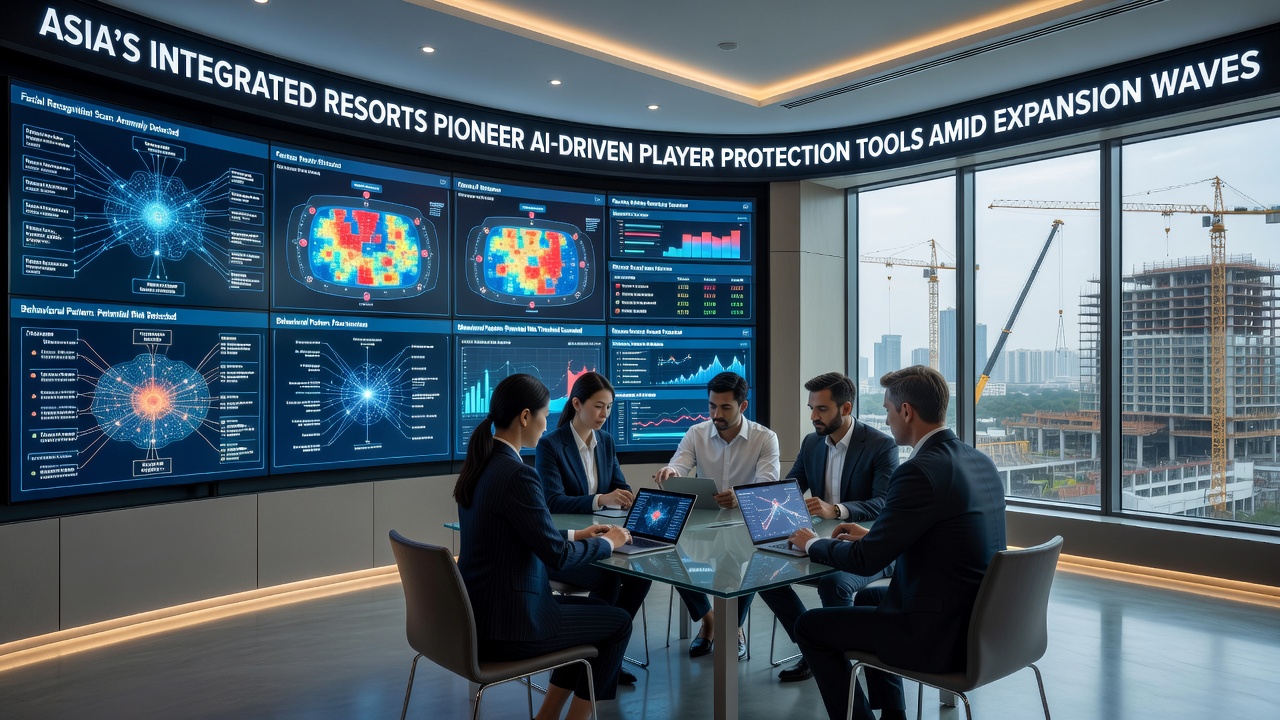
Integrated resorts throughout Asia have rolled out artificial intelligence systems designed to monitor player behavior and support responsible gambling initiatives, and these deployments coincide with ongoing regional growth in markets such as Singapore, Macau, the Philippines, and Japan. Data from industry reports shows that operators have integrated machine learning algorithms capable of analyzing real-time betting patterns, session durations, and deposit frequencies to flag potential risks before they escalate.
Regulatory frameworks in these jurisdictions require operators to maintain robust player protection measures, and AI tools fulfill that mandate by delivering automated interventions such as personalized limit suggestions and temporary session pauses. Observers note that this approach builds on earlier manual monitoring methods while scaling to handle larger visitor volumes generated by new resort openings and facility expansions scheduled through 2026.
AI Monitoring Capabilities in Key Markets
Singapore's two major integrated resorts have deployed AI platforms that track player activity across table games, electronic gaming machines, and online components, and these systems cross-reference historical data with current sessions to generate risk scores updated every few minutes. Similar technology operates in Macau properties where operators coordinate with the local gaming authority to share anonymized datasets that refine predictive models over time. In the Philippines, resort groups have begun testing AI chat interfaces that deliver responsible gambling messages tailored to individual play styles, and early figures indicate higher engagement rates compared with static pop-up notices.
Japan's emerging casino sector, still in its initial licensing phase, incorporates AI requirements directly into operator bids, and this proactive stance aims to align new facilities with international standards from the outset. Those who've studied the rollout observe that combining facial recognition with spending analytics allows staff to intervene discreetly when patterns suggest distress, and such interventions occur without disrupting the broader guest experience.
Expansion Context and Implementation Timeline
Regional expansion continues with new integrated resort projects advancing in several locations, and August 2026 marks a milestone when multiple facilities plan to activate upgraded AI modules alongside fresh entertainment zones and hotel towers. Construction timelines show that operators have allocated portions of development budgets specifically to technology infrastructure supporting these safeguards, and vendor partnerships with AI specialists have accelerated integration testing ahead of scheduled openings.
One study revealed that resorts adopting these tools recorded measurable reductions in self-exclusion requests processed after extended play periods, and the same research indicates improved compliance scores during periodic regulatory audits. What's significant is how the technology adapts across different cultural contexts; for instance, messaging tone and intervention frequency adjust based on aggregated regional player feedback collected through post-session surveys.
Industry Collaboration and Data Standards
Trade associations representing Asian gaming operators have established working groups focused on standardizing AI data formats, and this collaboration enables cross-border model improvements without compromising individual privacy protections. Academic researchers from universities in Australia and Canada have contributed independent evaluations of these systems, and their findings appear in peer-reviewed journals that examine both efficacy metrics and potential bias concerns in algorithmic decision-making.
According to reports published by regional tourism and economic development agencies, integrated resorts contribute substantial revenue while maintaining social responsibility commitments, and AI tools serve as one component within broader harm-minimization strategies that also include staff training programs and community outreach initiatives. Those who've examined the data note that integration with loyalty platforms allows seamless delivery of tailored responsible gambling resources directly to player accounts.
Future Outlook for AI Safeguards
Continued refinement of these AI systems will likely incorporate additional data streams such as biometric indicators and multi-property visit histories, and developers emphasize that all enhancements remain subject to regulatory approval processes that prioritize player privacy. External links to authoritative sources such as Australian gambling research centers and North American responsible gaming organizations provide comparative benchmarks that inform ongoing Asian implementations.
Conclusion
Asia's integrated resorts continue to expand physical and digital offerings while embedding AI-driven player protection mechanisms into daily operations, and these efforts reflect coordinated responses to regulatory expectations across multiple jurisdictions. Evidence from early deployments suggests the technology supports both operational efficiency and compliance objectives, and further advancements scheduled for 2026 and beyond will test scalability in increasingly complex environments.