Virtual Reality Expands Entertainment Horizons at International Resorts
Harper Brooks · Nov 9, 2026
Virtual Reality Expands Entertainment Horizons at International Resorts
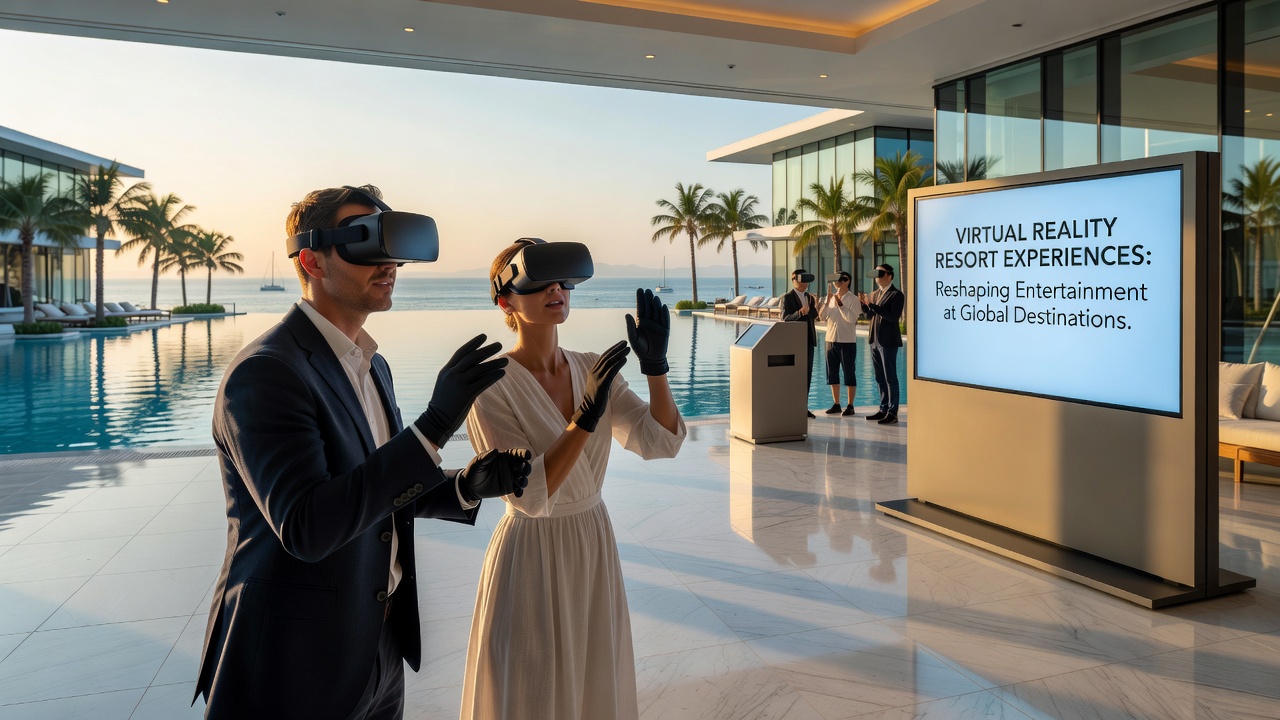
Resort destinations across continents have integrated virtual reality systems into their entertainment offerings since the early 2020s, with adoption rates accelerating as hardware costs declined and content libraries expanded. Properties in Las Vegas, Dubai, Singapore, and the Maldives now deploy VR stations that allow guests to participate in simulated adventures while remaining on-site, and data from tourism reports indicate these features contribute to extended stay durations and higher per-guest spending on ancillary activities.
VR Integration in Major Resort Markets
North American resorts such as those operated by MGM Resorts International and Wynn Resorts have installed dedicated VR lounges that complement traditional gaming floors, where visitors can enter virtual environments modeled after historical landmarks or extreme sports scenarios. European destinations including properties in Spain and Portugal have followed similar patterns, linking VR experiences to local cultural themes through partnerships with regional content developers. In Asia, Singapore's Resorts World Sentosa and Macau's integrated resorts report that VR-enhanced shows attract repeat visits, with session booking data showing consistent occupancy during peak seasons.
Those who manage these installations note that the technology pairs effectively with existing amenities because it requires minimal physical space yet delivers high engagement levels. Resorts in the Middle East, particularly in the UAE, have incorporated VR into desert and marine simulations that align with their climate-controlled indoor facilities, creating year-round appeal for international travelers.
Technical Features Driving Guest Participation
Modern VR setups at these locations typically feature wireless headsets with motion tracking, haptic feedback suits, and multi-user networking that lets groups share synchronized experiences. Software platforms update content monthly, rotating themes from underwater exploration to space travel based on seasonal demand patterns tracked by resort analytics teams. According to research published by hospitality technology journals, resorts that refresh VR libraries every four to six weeks maintain higher utilization rates than those with static offerings.
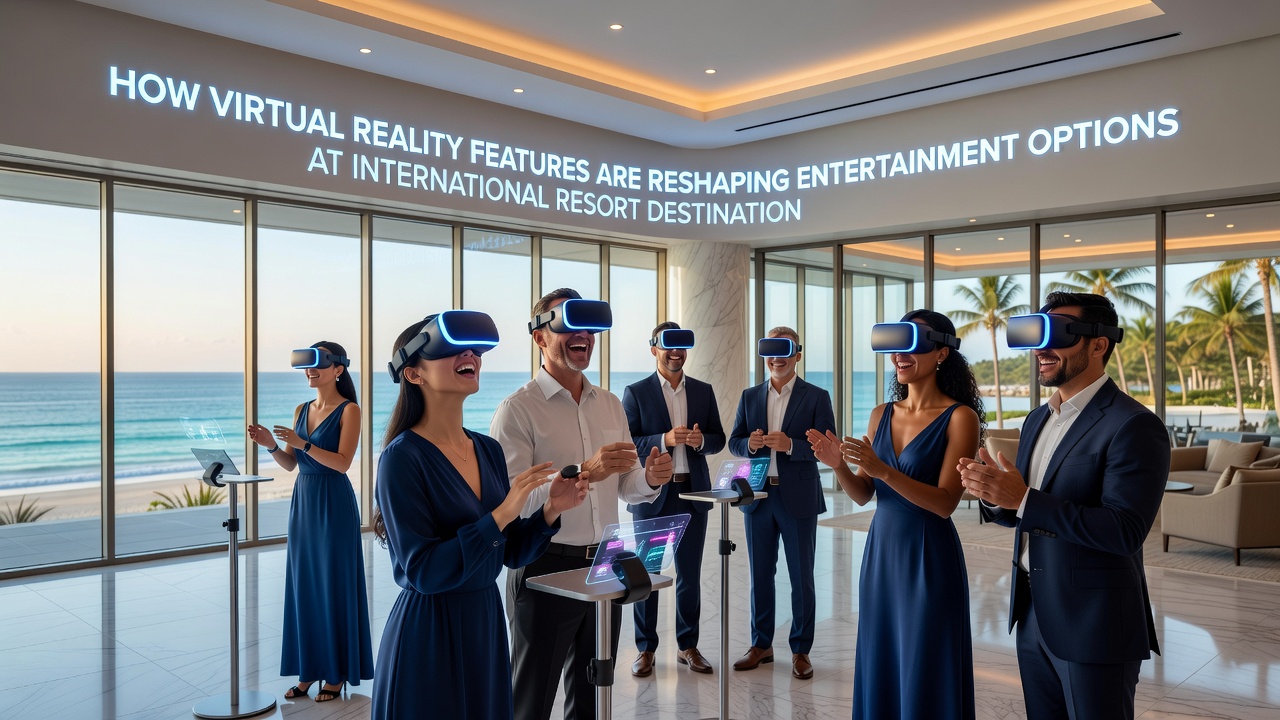
Operators also connect VR zones to loyalty programs, awarding points for completed sessions that guests can redeem for dining or spa credits. This linkage turns entertainment into a measurable component of the overall guest journey rather than an isolated add-on. Facilities in Australia and New Zealand have adopted comparable models, often tying VR experiences to outdoor adventure themes that mirror local geography.
Regulatory and Industry Developments Through 2026
Industry associations such as the American Gaming Association and the International Casino Operators Council have issued guidelines on VR safety protocols, including session time limits and age verification processes. These recommendations gained attention ahead of scheduled technology summits planned for November 2026, where developers and resort executives plan to review updated hardware standards and cross-border content licensing agreements. Government tourism bodies in Canada and Australia have begun tracking VR adoption within their annual visitor expenditure surveys, providing datasets that help operators benchmark performance against regional averages.
Resorts that introduced VR earlier report measurable shifts in guest flow, with VR areas drawing traffic during traditionally quieter afternoon hours. This redistribution supports more balanced use of dining and retail outlets located nearby. Observers note that integration works best when VR content aligns with the resort's core identity, such as ocean-themed simulations at coastal properties or historical recreations at urban destinations.
Case Examples from Specific Properties
One resort in the Maldives added VR coral reef dives that complement actual snorkeling excursions, allowing guests to explore deeper virtual zones without environmental impact. Properties in Las Vegas have tested VR poker tournaments that connect players across multiple sites in real time, with results feeding into on-site leaderboards. Data released by the World Tourism Organization in recent annual reports highlights how such hybrid offerings appear in marketing materials for destinations seeking to differentiate themselves in competitive international markets.
Training programs for resort staff now include VR system maintenance and guest orientation modules, ensuring consistent delivery across shifts. Partnerships with universities studying human-computer interaction have produced findings on optimal session lengths that minimize motion discomfort while maximizing satisfaction scores collected through post-experience surveys.
Conclusion
Virtual reality continues to expand the range of entertainment available at international resort destinations by blending digital immersion with physical amenities. As hardware improves and content becomes more localized, operators across regions maintain steady investment in these systems. The developments scheduled around November 2026 will likely shape the next phase of implementation, with emphasis on safety standards and content interoperability across properties.